
Have you ever paused while writing and wondered, is it “storys” or “stories”? You’re not alone.
This is one of the most common spelling mistakes in English, especially for students, bloggers, and content creators who want their writing to look polished and professional.
In this guide, we’ll clear up the confusion once and for all.
You’ll learn the correct spelling, why it works that way, common grammar rules behind it, real-life examples, and how to avoid similar mistakes in the future.
Let’s make this simple and memorable.
Quick Answer:
The correct plural form is “stories.”
❌ Storys (Incorrect)
✅ Stories (Correct)
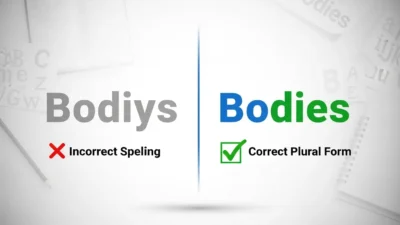
When a noun ends in a consonant + y, you change the y to ies to make it plural.
Example:
- One story
- Two stories
What Does “Story” Mean?
The word story has a few common meanings in English:
- A narrative or tale – A description of events, real or imaginary.
- She told an inspiring story.
- A news report or article – A piece of journalism.
- That was the top story on the evening news.
- A level in a building (mainly American English spelling)
- The house has three stories.
In British English, the building meaning is usually spelled “storeys.” We’ll explain that difference shortly.
Why “Stories” Is Correct (Grammar Rule Explained)
Here’s the simple grammar rule:
When a word ends in:
- A consonant + y → change y to ies
Examples:
- Story → Stories
- Baby → Babies
- City → Cities
- Party → Parties
Why? Because English spelling rules avoid putting “ys” after a consonant in plural form.
However, if a word ends in:
- A vowel + y → just add s
Examples:
- Boy → Boys
- Toy → Toys
- Key → Keys
So the difference depends on the letter before the “y.”
Storys vs Stories: Comparison Table
| Singular | Incorrect Plural | Correct Plural | Rule Applied |
| Story | Storys ❌ | Stories ✅ | Consonant + y → ies |
| Baby | Babys ❌ | Babies ✅ | Consonant + y → ies |
| Toy | Toys ✅ | Toys ✅ | Vowel + y → add s |
| Key | Keys ✅ | Keys ✅ | Vowel + y → add s |
This pattern is consistent in modern English grammar.
Common Mistakes People Make
Even experienced writers sometimes type “storys” by accident. Here are the most common reasons:
1. Forgetting the “Y” Rule
Many learners simply add “s” to every word to form the plural.
2. Fast Typing Errors
When typing quickly, “storys” can slip through if spell check is off.
3. Confusion With Similar Words
Words like “boys” and “toys” follow a different rule, which creates confusion.
4. Social Media Influence
Informal posts sometimes ignore grammar rules, leading to spelling mistakes spreading online.
If you’re writing professionally—blog posts, academic essays, website content, or SEO articles—using the correct spelling “stories” is essential for credibility.
American vs British English Differences
Here’s where things get interesting.
When referring to levels in a building, American and British English differ:
| Meaning | American English | British English |
| Building level | Story | Storey |
| Plural | Stories | Storeys |
Example:
- American English: The building has five stories.
- British English: The building has five storeys.
However, for narratives or tales, both American and British English use:
- Story → Stories
So if you’re talking about fairy tales, news articles, or personal experiences, “stories” is correct everywhere.
Examples of “Stories” in Sentences
Let’s make this practical.
Talking About Tales
- Grandparents love sharing old family stories.
- Children enjoy bedtime stories.
- The book contains short horror stories.
Talking About News
- The website publishes breaking news stories.
- Trending stories appear on the homepage.
Talking About Building Levels (American English)
- The hotel has ten stories.
- That skyscraper has fifty stories.
Using correct plural forms improves clarity and professionalism in your writing.
How to Remember the Rule Easily
Here’s a simple trick:
👉 If there’s a consonant before “y,” change it to “ies.”
Think of it like this:
“The consonant gets shy, so Y turns into IES.”
It may sound playful, but memory tricks like this really help!
Related Words That Follow the Same Rule
If you’re learning English grammar or improving your writing skills, here are similar examples:
- Lady → Ladies
- Family → Families
- Country → Countries
- Memory → Memories
- Victory → Victories
Notice the pattern? Same structure, same spelling rule.
FAQs
1. Is “storys” ever correct?
No. “Storys” is always incorrect in modern English.
2. Why do we change “y” to “ies”?
Because English grammar rules require it when a noun ends in consonant + y.
3. Is it “stories” in both US and UK English?
Yes, when referring to tales or articles. Only building levels differ (storeys in UK).
4. What is the plural of “short story”?
Short stories.
5. How do I know when to add just “s”?
If the letter before “y” is a vowel (a, e, i, o, u), just add “s.”
6. Is “stories” used as a verb?
No. “Stories” is the plural noun form of “story.” The verb form would be “to tell stories.”
7. Why do people still write “storys”?
Mostly typing mistakes or lack of awareness of the grammar rule.
8. Does autocorrect fix “storys”?
Most modern spell check tools automatically correct it to “stories.”
Final Summary
The confusion between storys or stories is common, but the rule is simple once you understand it.
If a noun ends in a consonant followed by “y,” change the “y” to “ies” to make it plural. That’s why the correct spelling is always stories.
If you’re writing personal stories, publishing blog articles, or describing building stories in American English, using the correct plural form strengthens your writing and builds credibility.
Small grammar details make a big difference in professional communication.
Actionable Takeaway
Next time you write a plural word ending in “y”:
- Check the letter before “y.”
- If it’s a consonant → change to “ies.”
- If it’s a vowel → just add “s.”
Practice with similar words like cities, families, and countries. The more you apply the rule, the more natural it becomes.

Ethan William is the author behind SpellPeak, passionate about clear communication and meaningful language. He writes to help readers express ideas with confidence, simplicity, and impact. His work focuses on clarity, learning, and empowering individuals and businesses through thoughtful, practical content. He values creativity, consistency, and ethical digital publishing worldwide.